extended warranty cost fundamentals for steady ownership
What it usually includes
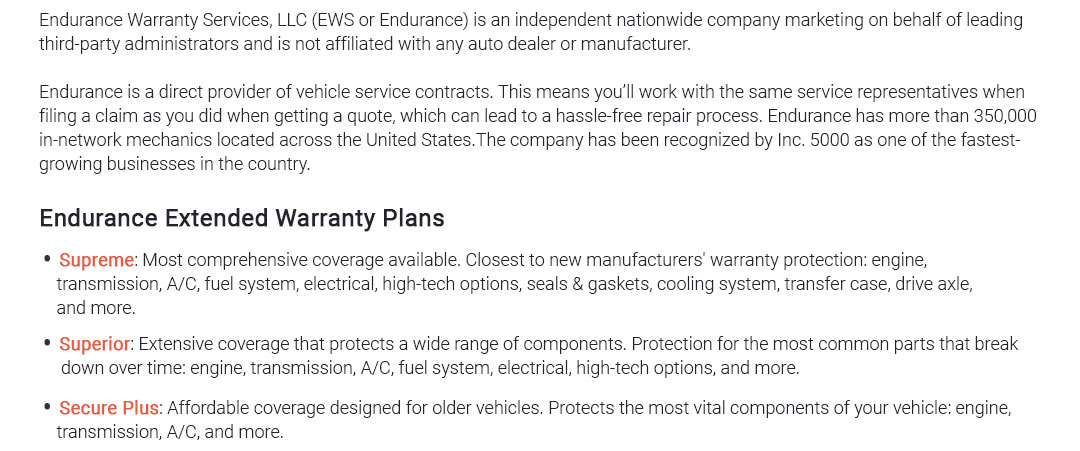
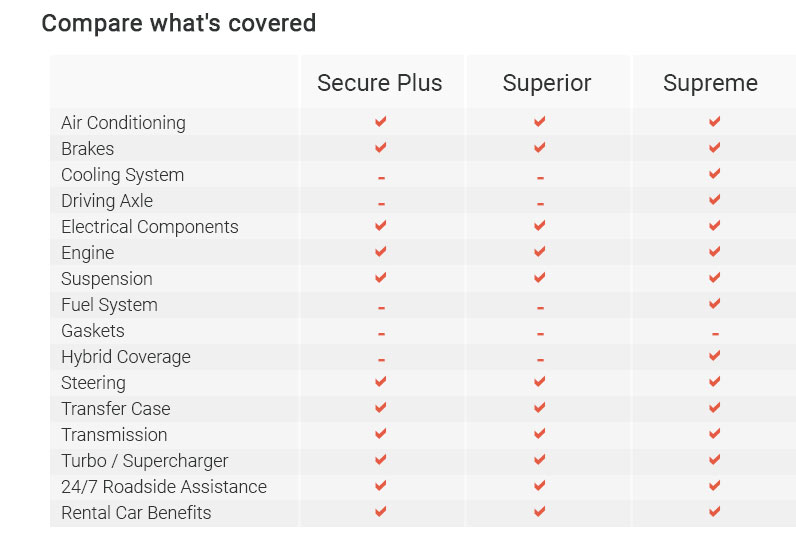
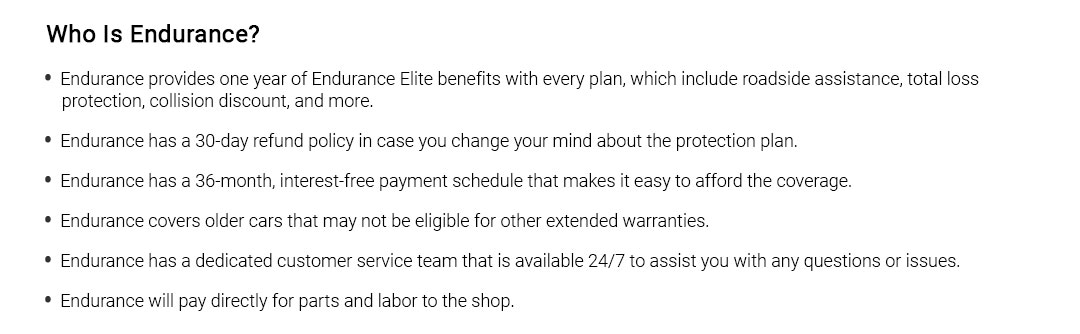
I'm a cautious buyer seeking to know whether the fee buys stability or padding. Extended plans may cover parts and labor beyond the factory window, sometimes accidental damage, with exclusions that matter more than the headline.
- Term length and coverage tier set the price.
- Deductibles shift risk back to me.
- Service access and turnaround affect the real value.
How I size the price
At checkout for a mid-range laptop, I'm offered three years for $179. I compare typical repair costs - $300 for a motherboard, $120 for a battery - and how long I plan to keep it. If I expect heavy use, the fee feels like a fixed bill replacing a murky future; put another way, it's a swap from uncertainty to predictability.
Signals of stability
- Transparent terms: clear claim limits, transferability, and cancellation rules.
- Reliable access: authorized shops and parts availability.
- Reasonable deductible: small enough to file without hesitation.
Long-term impact
- High repair exposure or uptime critical? Favor coverage.
- Low failure risk, light use, or easy self-repair? Consider saving the premium.
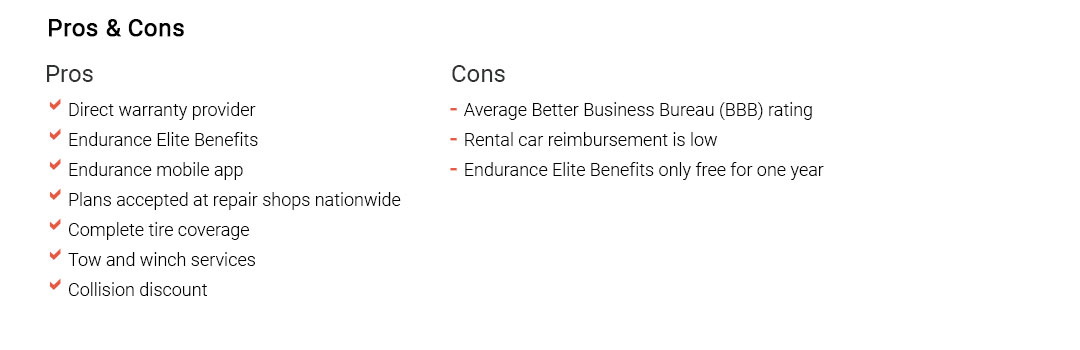
- Always compare the warranty price with expected failure cost over your ownership horizon.
If it raises confidence and smooths cash flow, the extended warranty cost can earn its keep; if not, self-insuring preserves flexibility.